 The Smart Growth California 2026 Funder Summit brought together more than 100 participants in Sacramento, including over 65 funders, alongside leaders from the nonprofit and public sectors. Our intention with the summit this year was to cultivate a space for thoughtful dialogue, practical learning, and meaningful connection. We knew going into this gathering that, given the rapidly changing political and philanthropic landscape, it would be important to re-ground ourselves in a shared commitment to advancing equitable, place-based strategies with community partners.
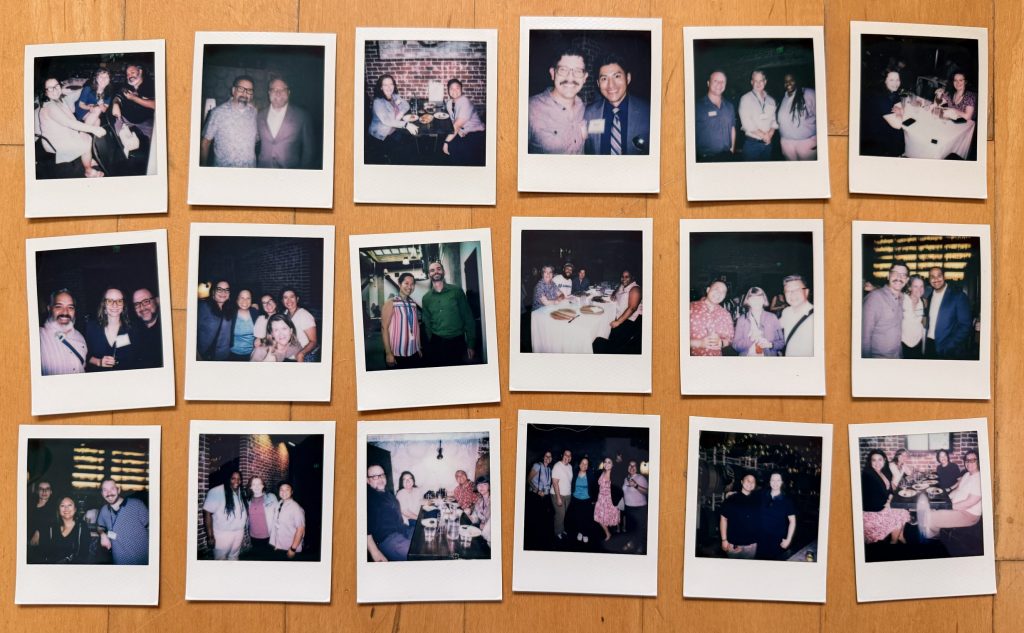
It was a truly energizing gathering, where folks could connect authentically, share a purpose, and feel a real sense of community — from candid conversations and moments of laughter to new and renewed relationships. We heard from many folks how powerful it felt to be together in person. We couldn’t agree more.
After those three days, we have a clearer sense of where California philanthropy is heading, and what this moment demands of us. We heard across the board: funders are redefining risk in a volatile environment, moving toward systems-level strategies, and recognizing that alignment across issues and regions is essential to achieving impact at scale.
 Respond: Making Sense of the Moment
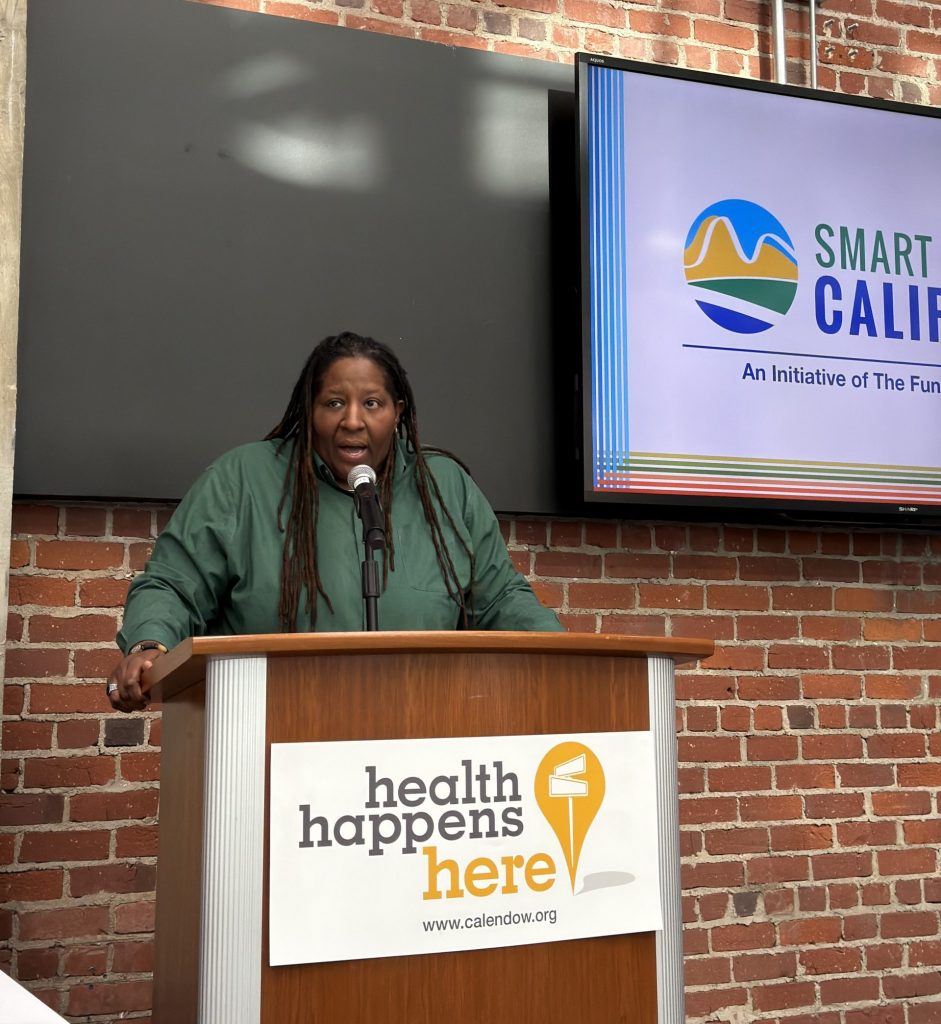
The Summit opened with remarks from Dion Cartwright, President and CEO of The Funders Network, who encouraged funders to meet this moment with boldness and courage. She underscored the importance of stepping forward—not just as grantmakers, but as leaders helping to shape more equitable and resilient systems in a time of uncertainty.
 A central focus of this year’s Summit was helping funders better understand and respond to the complexity of the current moment. Sessions like Making Sense of the Moment: A Grounding Framework, offered a way to interpret disruption and identify what is worth defending and advancing. This conversation continued in Making Sense of the Moment for Philanthropy, which reflected on how funders are redefining risk, adjusting priorities, and navigating uncertainty in real time. Together, these sessions helped ground participants in both the challenges and opportunities ahead.
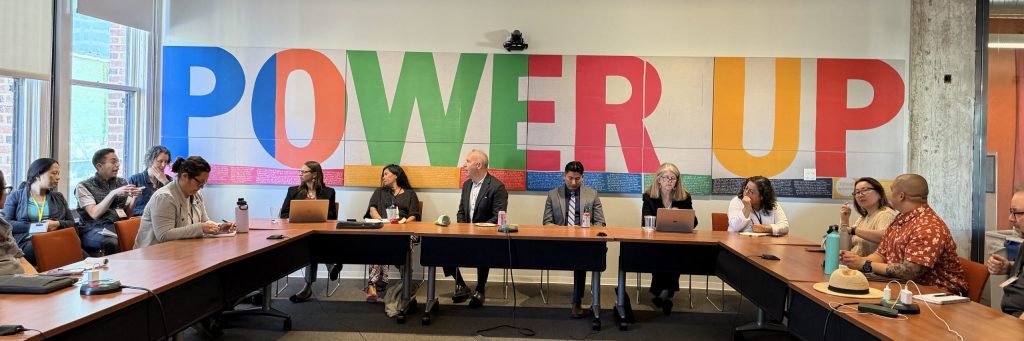 Participants also had the opportunity to attend and engage with one another during the Statewide Steering Committee, where funders engaged in a candid conversation with Darrell Steinberg on the future of SB 375 and ongoing efforts to strengthen California’s approach to sustainable communities and climate policy. As a cornerstone of the state’s strategy to reduce greenhouse gas emissions through coordinated land use and transportation planning, SB 375 plays a critical role in shaping more sustainable, equitable, and connected communities across California.
 Reconnect: Strengthening Relationships Across the Network
Equally important was the opportunity to reconnect. The Summit was intentionally designed to foster conversation—through shared meals, small-group discussions embedded in sessions, and informal networking throughout.
 Learning from place was another key dimension. Rather than staying in the conference room, participants engaged directly with projects and partnerships shaping the Sacramento region. One group hopped on visited Stockton Boulevard and the emerging Aggie Square innovation district to examine how large-scale investment, transit improvements, and community advocacy are converging along a historically underserved corridor—highlighting both the opportunities and tensions that come with revitalization. Another group visited a public school district’s Central Kitchen and regional farms, including Ujamaa Farmers Collective in Woodland, to explore how regional food systems are being intentionally linked—from farms to public institutions—demonstrating how coordinated approaches can expand economic opportunity, support BIPOC producers, and build more resilient local infrastructure.
What makes Smart Growth California distinctive is its ability to bridge across geographies and issue areas while grounding strategy in place. The Summit reinforced that relationships—across funders, sectors, and regions—are essential infrastructure for this work.
 Reimagine: Advancing New Approaches for Philanthropy
The Summit also challenged participants to reimagine philanthropy’s role in this moment. Sessions like Skill-building: Narrative Strategy in Practice, explored how narrative shapes public understanding and policy outcomes.
 Other conversations focused on what it takes to move from ideas to implementation. Seeding the Next Economy: Community Ownership in Practice, highlighted how land and worker ownership strategies can reduce displacement and expand opportunity. Beyond “Capacity Building”: Supporting Communities to Lead, examined how funders can more effectively support Tribal and community leadership through flexible funding, technical assistance, and policy change.
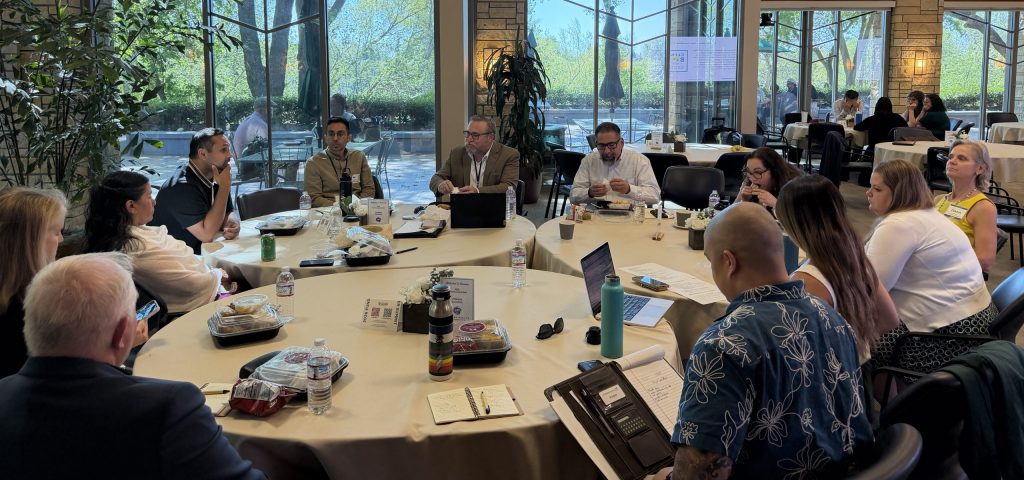 Participants also engaged in peer-led exchanges on topics like Getting Public Climate Dollars to the Ground and aligning philanthropic resources to support community-driven solutions. This included the launch of a new statewide California Resourcing Resilience Initiative by Resources Legacy Fund and Philanthropy CA, highlighted during a lunchtime roundtable. The initiative aims to close the gap between California’s ambitious climate goals and on-the-ground implementation by supporting and aligning regional collaboratives advancing community-driven climate resilience strategies—helping ensure that public investments translate into durable, community-led projects and policy outcomes.
To see all of the speakers who shared at our Funder Summit, check out the full agenda. To see more photos, scroll to the bottom of this post.
Opportunities for Philanthropy
Across sessions, several clear opportunities emerged for funders:
- Bridging across issue areas and moving beyond silos
- Increasing flexible, long-term support for community partners
- Leaning into leadership beyond grantmaking, including policy and narrative work
- Together, these shifts point toward a more coordinated, strategic, and engaged role for philanthropy in the years ahead.
Continuing the Work
The Summit included a When Good Ideas Stick: Making Collaboration Work conversation that lifted up work taking place in Smart Growth California’s working groups (which includes the Statewide Steering Committee, San Joaquin Valley Funders’ Collaborative, Los Angeles Funders’ Collaborative, Climate Funders’ Collaborative, and Rural Working Group). These spaces offer concrete opportunities to stay connected, deepen learning, and explore collaboration throughout the year. Whether you are a long-time participant or new to the network, we invite you to stay engaged—join a working group, connect with peers, and explore opportunities to align strategy and resources.
 We are deeply grateful to the many funders who contributed leadership to this gathering, community partners who provided space, expertise, and grounded us in Sacramento, and especially to the members of the Funder Summit Planning Committee whose vision and guidance made this event possible. We’re also very appreciative of the following funders active in Smart Growth California who sponsored our Funder Summit: The California Wellness Foundation, The James Irvine Foundation, California Community Foundation, Kaiser Permanente and The Kresge Foundation. We also very much appreciate The California Endowment and the Sierra Health Foundation providing the space for us to meet in.
The energy, insight, and relationships built over these three days will continue to shape the work ahead—and we look forward to building on this momentum together at our next Funder Summit, which will take place in 2028. In the meantime, The Funders Network plans on holding its 2027 Annual Conference in Oakland, California!